Managing Emotions and Finances in Turbulent Times
Our emotions play a significant role in nearly every decision we make, including financial ones. As a long-time investment advisor, I’ve helped many clients navigate stock market fluctuations and financial crises. One key lesson I’ve learned is the importance of balancing emotions with logic.
In today’s world, many people are experiencing heightened emotions, which can naturally spill over into their financial lives. To help you stay grounded, here are some key strategies to navigate uncertain times with confidence and clarity.
1. Acknowledge Your Feelings
There are no “wrong” feelings. Whether you’re nervous, frustrated, or even mildly concerned, it’s okay to feel that way. Recognizing your emotions is the first step in managing them effectively.
2. Avoid Making Big Financial Decisions Under Stress
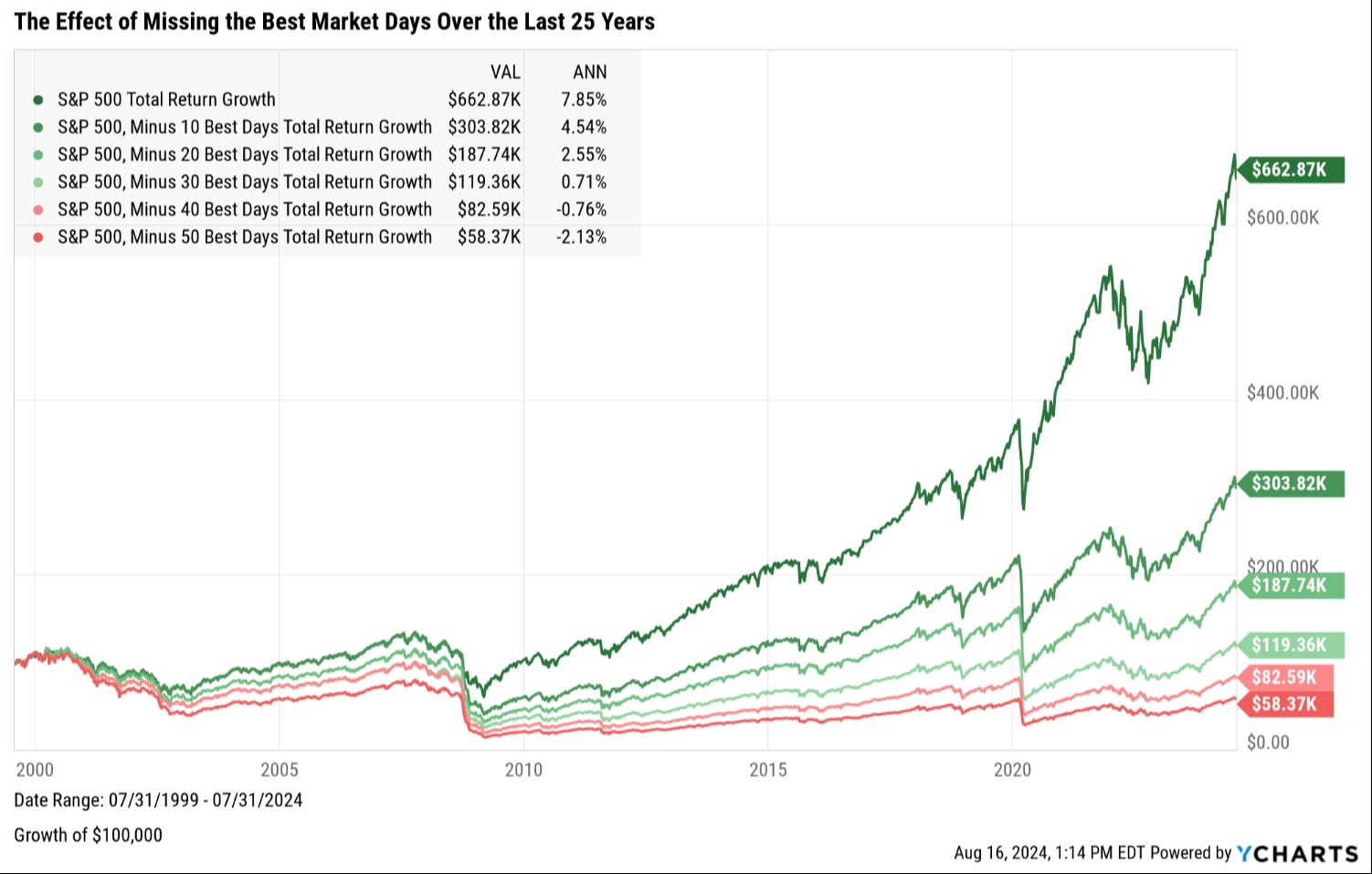
When emotions run high, it’s rarely the best time to make major financial moves. This is especially true in investing, where reacting impulsively can lead to costly mistakes. Historical data shows that missing just a handful of the market’s best days can significantly impact long-term returns. Before making big changes, take a step back and evaluate your decisions with a clear mind.
3. Understand Your Money Triggers
Our financial mindset is shaped by past experiences—how we grew up, past wins and losses, and even financial hardships. For example, I have a client who is a single mother. She worked tirelessly to put herself through college, buy a home, save for retirement, and support her children through school. Despite being financially stable today, her past struggles still influence her emotions around money.
What helps her? Reviewing her written financial plan in moments of stress, reminding her that she is on track and in control.
4. Talk to a Trusted Advisor
According to research from Vanguard, 40% of an advisor’s value comes from providing emotional confidence, not just financial guidance. Sometimes, just having a conversation with a trusted advisor or confidant can help put things into perspective. If you ever need to talk, we’re here to help.
5. Visit Social Media but don't live there
It’s important to stay informed, but excessive exposure to social media can amplify stress and anxiety. Platforms use sophisticated strategies to keep you engaged, which can sometimes lead to information overload. If you find yourself feeling overwhelmed, consider taking a break and setting boundaries around your screen time.
6. Limit Impulse Spending
Retailers understand that stress often leads to increased spending. “Retail therapy” might provide a short-term mood boost, but it rarely leads to lasting satisfaction. There is a big difference between spending and investing so instead, think about investments that offer long-term value. For example, I once worked with a client who spent $300 a month on cookbooks and kitchen items, accumulating over 200 cookbooks. When I asked if she’d rather redirect that money toward a travel fund for a cooking class in Paris, she realized she valued the experience more than the extra books. Shifting her spending toward something meaningful made a lasting impact.
7. Prioritize Activities That Bring You Joy
A great way to manage stress is by focusing on activities that recharge you.
Consider making time for:
Listening to music
Exercising or playing sports
Reading a good book
Meditating or praying
Visiting a farmers’ market
Spending time with friends
Volunteering to help others
Hiking or walking in nature
Engaging in creative hobbies like drawing, painting, woodworking, crafts, etc.
8. Focus on What You Can Control
One of my favorite quotes is:
"Do what you can, with what you got, in the time you have."
In uncertain times, focusing on what you can control—your mindset, actions, and financial plan—can provide a sense of stability and peace. Small, intentional steps today can lead to greater confidence in the future.
If you ever need guidance or just a conversation about your financial journey, don’t hesitate to reach out. We’re here to help.
You can schedule a meeting with me directly by emailing laura@deschutesinvestment.com or inquiring Here.